THE GRAND RAPIDS BUYER GUIDE

Plan the right video before the camera gets expensive.

The right video plan starts with the business job, then works backward into story, format, production, and distribution. This guide brings SALT's pricing, planning, format, and project proof into one place so Grand Rapids teams can scope the right work before the first production day gets expensive.

ONE PRODUCTION. THE WHOLE MACHINE.

4

Core service lanes

6

Useful format shapes

$2.5K

Published starting scope

30

Public proof pages

01 — CHOOSE THE JOB

Do not start with a camera. Start with what has to move.

A commercial, a recruitment film, an app launch, and a documentary can all look cinematic. They are still different machines. Pick the business job first.

01

Commercials, Brand Films, and Campaigns

Do you need attention, feeling, or a clear campaign action?

Use this lane when the work has to carry a campaign idea across broadcast, web, paid social, launch, and internal rollout. The strongest scope usually plans the hero film and the supporting cuts together.

  • Broadcast and CTV spots
  • Brand and campaign films
  • Paid-social and vertical cutdowns
  • Web hero edits and campaign b-roll
OPEN THIS SERVICE LANE →

02

Documentary, Event, and Community Storytelling

Does the story only happen once, in a room you cannot control?

Use this lane when trust, live pressure, real people, and post-event value matter. Plan the recap, interviews, sponsor proof, social cuts, and evergreen story before the doors open.

  • Documentary and community films
  • Event recaps and sponsor proof
  • Exhibition and institutional films
  • Fundraising, donor, and public-impact stories
OPEN THIS SERVICE LANE →

03

App, Product, and Sales-Enablement Video

Does the buyer need to understand the value before they understand the interface?

Use this lane when a product, platform, or workflow needs to feel clear and human. Start with the user problem. Then decide where UI, customer proof, live action, animation, and sales cuts belong.

  • App and product launch films
  • Software demos and UI walkthroughs
  • Customer proof and sales-enablement stories
  • Launch, trade-show, and paid-media cuts
OPEN THIS SERVICE LANE →

04

Recruitment and Culture Films

Can the right candidate see the work, the people, and the pressure clearly?

Use this lane when a job post cannot show what the work feels like. Real employee voices, visible work, and audience-specific edits help the right candidates lean in and the wrong candidates self-select.

  • Recruitment and employer-brand films
  • Employee spotlights and day-in-the-life edits
  • Careers-page and LinkedIn cuts
  • Expo loops, job-post clips, and onboarding assets
OPEN THIS SERVICE LANE →
02 — BUILD THE ASSET MAP

Shoot for the screen you actually need.

A late crop is not a vertical strategy. A sixty-second edit is not automatically a broadcast spot. Format changes the frame, the pace, the coverage, and the way the message lands.

16:9

Horizontal hero film

Websites, YouTube, presentations, CTV, and long-form proof

Interview eyelines, wider environments, room for graphics, and a story that can breathe beyond thirty seconds.

Wayfair Professional long-form case study

9:16

Vertical social film

Instagram, Reels, Shorts, Stories, and mobile-first paid media

Close framing, safe text zones, faster openings, and coverage designed for a phone instead of cropped after the shoot.

GRAM vertical museum content

0:30

Broadcast and CTV spot

Regional television, streaming placements, pre-roll, and campaign reach

A hard runtime, a clear message turn, delivery specifications, audio standards, and a final action that lands before the clock wins.

Grand Rapids Ballet broadcast spot

0:06–0:30

Paid-social cutdowns

Campaign testing, retargeting, launches, and channel-specific hooks

Multiple openings, clean product or proof moments, platform-safe versions, and enough coverage to avoid repeating one weak crop.

ScarAway's platform-specific asset system

SILENT

Website and expo loop

Homepage banners, trade shows, booths, and screens without dependable sound

Visual clarity without dialogue, restrained file weight, a strong poster, and motion that still works when autoplay is blocked.

VDM and GVA website and expo loops

SERIES

Long-form content ecosystem

Education, recruitment, museums, advocacy, and campaigns that need depth

A repeatable visual system, shared interview logic, a footage library, and a release plan that lets every new asset strengthen the last one.

GRAM's seven-video ecosystem
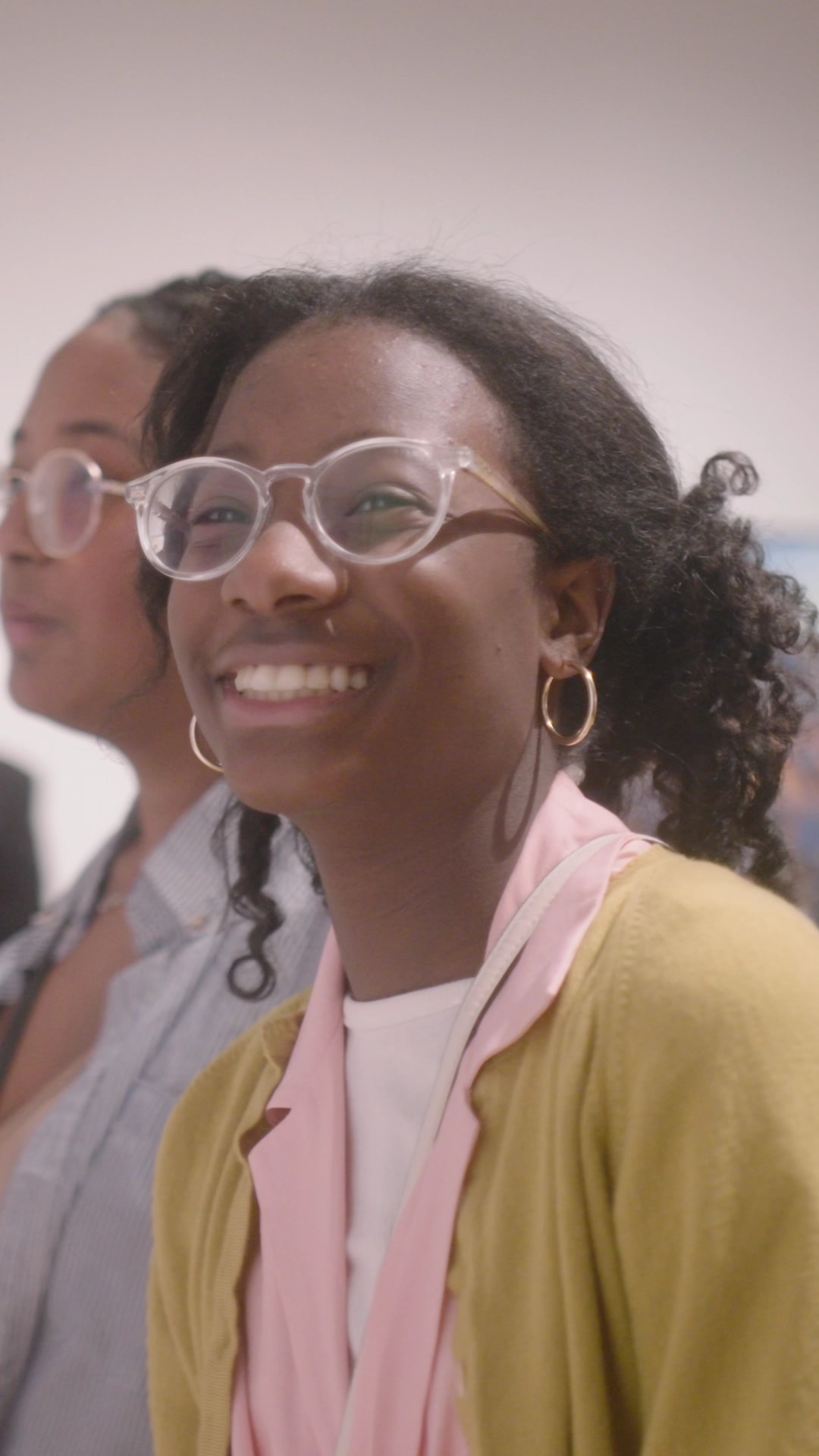
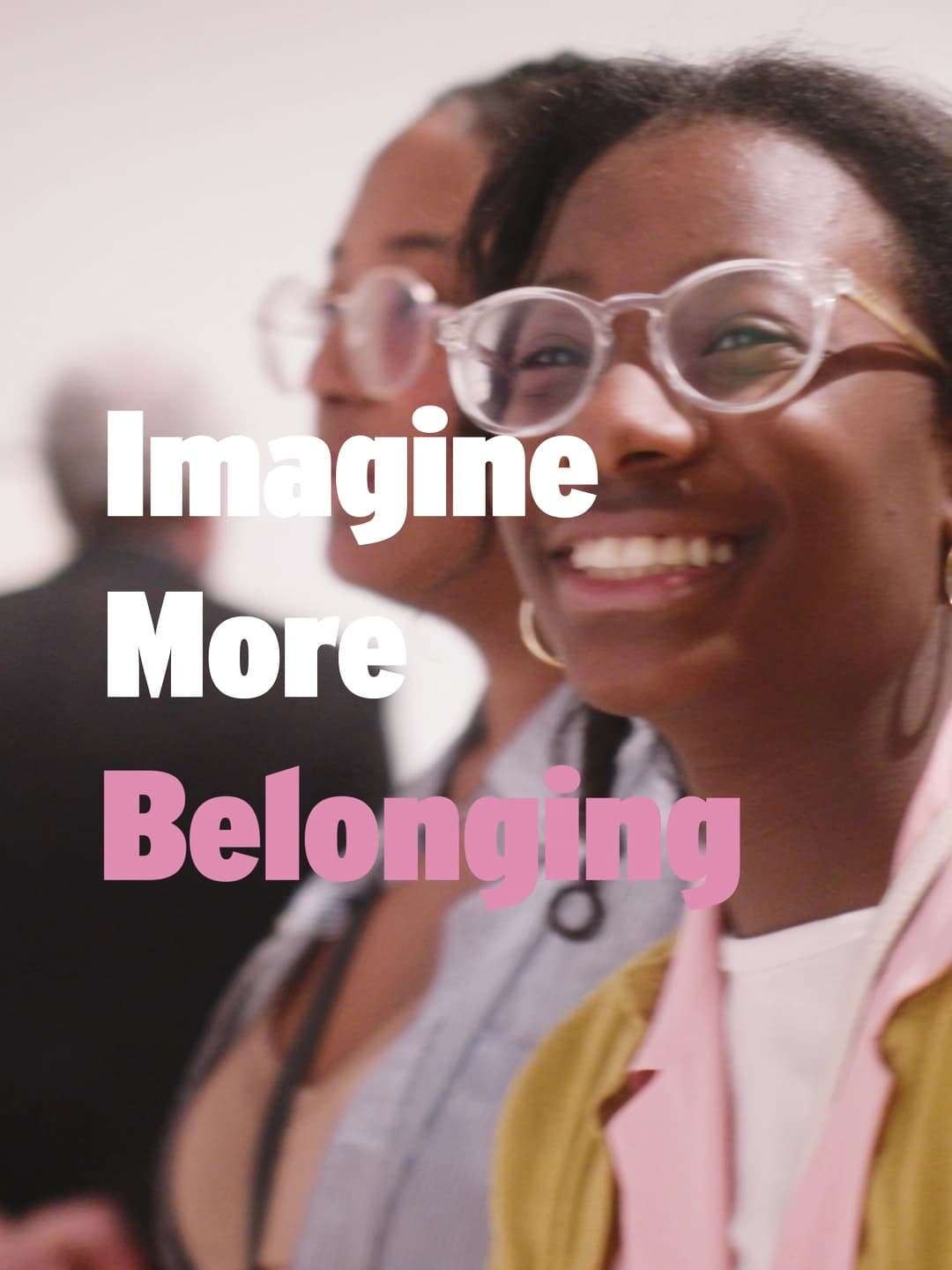
9:16 COMMUNITY STORY

GRAM Representational

GRAM Representational

Step 1: Community Response Film

Designed vertically from the start, this film lets audience reactions and gallery details fill the phone instead of surviving a late crop.

OPEN THE FULL CASE STUDY →

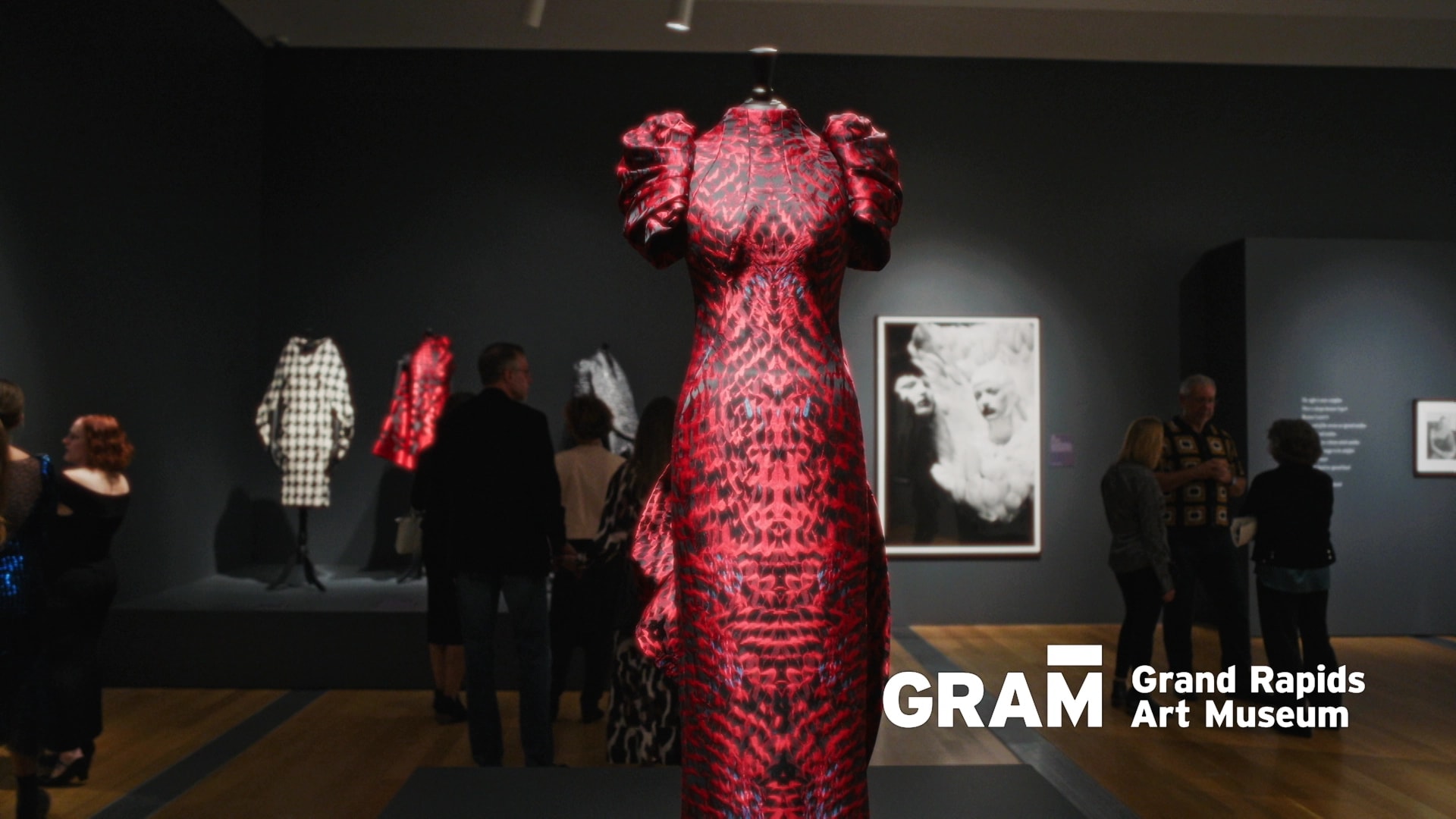
0:30 BROADCAST

GRAM Alexander McQueen TV Spot

GRAM Alexander McQueen TV Spot

Step 4: Broadcast Fashion Spot

A hard thirty-second window changes the job. Fashion, exhibition scale, message, and invitation all have to land before the clock runs out.

OPEN THE FULL CASE STUDY →

9:16 B2B PRODUCT PROOF

Wayfair Professional Godsend Instagram AD

Wayfair Professional Godsend Instagram AD

30-Second Instagram Cut

The same customer story became a portrait social cut built around one sharp proof point, while the wider campaign still carried long-form and TV versions.

OPEN THE FULL CASE STUDY →
03 — KNOW THE RANGE

What does video production cost in Grand Rapids?

These are SALT's published planning ranges. They frame the conversation. They are not public price tags for the case studies on this page.

WHAT MOVES THE NUMBER

  • How much story work has to happen before production
  • Number of locations, travel days, people, and production windows
  • Crew shape, equipment, art direction, sound, and lighting needs
  • Animation, UI, visual effects, color, audio, and edit complexity
  • Number of formats, runtimes, aspect ratios, and final deliverables
  • Approval layers, revision rounds, legal review, and delivery speed

STARTER

$2.5K–$7.5K

One short asset, one location, a lean crew, and a focused post-production path.

GROWTH

$8K–$18K

More story development, stronger pre-production, multiple deliverables, or more production weight.

CAMPAIGN

$20K–$35K+

Multi-location work, wider asset systems, larger crews, heavier edits, or more stakeholder pressure.

READ THE FULL PRICING BREAKDOWN →
04 — BUILD THE PLAN

The production day is not the plan.

01

Name the business job

Who has to move? What should change after they watch? Where will the film live? If those answers are fuzzy, the scope will drift.

02

Build the brief

Lock the audience, message, action, budget reality, approval path, timeline, and distribution plan before visual ideas outrun the problem.

03

Plan every useful output

Decide the hero film, cutdowns, 9:16 edits, broadcast versions, stills, b-roll, captions, and transcripts before production starts.

04

Capture for the edit

Production is not a pile of nice shots. Interviews, action, sound, environments, and alternate framing need to support the final asset map.

05

Launch, learn, and reuse

Track plays, completion, clicks, leads, and channel use. Keep the footage library organized so the next campaign starts with memory instead of zero.

06 — WRITE THE BRIEF

A useful brief makes the problem clear.

It does not need to sound impressive. It needs to give the creative team enough truth to solve the right job and enough boundaries to keep the scope honest.

  1. 01Primary audience and the one action the film should support
  2. 02Business problem, core message, and what the audience already believes
  3. 03Budget range and the limits that cannot move
  4. 04People, locations, access, travel, weather, and sound risks
  5. 05Decision-makers, legal reviewers, and final approval owner
  6. 06Hero runtime, supporting cuts, aspect ratios, captions, and transcripts
  7. 07Launch channels, media plan, careers page, sales use, or event use
  8. 08Success signals: attention, completion, qualified traffic, leads, applications, or sales support
07 — PLAN WHERE IT LIVES

Distribution is a production decision.

Where the work lives changes what should be captured. Decide the channels before the shoot, not after the first cut is already boxed in.

Website

Use a strong poster, protect page speed, give the film written context, and connect the next action to the page goal.

Broadcast and CTV

Confirm runtime, audio, captions, legal copy, end cards, trafficking requirements, and channel-safe delivery before the edit locks.

Paid and Organic Social

Plan vertical framing, multiple hooks, silent-safe text, cut lengths, thumbnails, captions, and enough versions to learn what holds attention.

Sales and Product

Build proof clips, customer stories, launch edits, demo support, and b-roll that a sales team can use without asking the editor every week.

Recruitment

Map careers-page film, job-post clips, LinkedIn edits, employee stories, expo loops, follow-up messages, and onboarding use together.

Events and Community

Plan the recap, next-year promotion, sponsor proof, donor communication, speaker clips, interviews, and evergreen story before event day.

KEEP DIGGING

The deeper answers are still here.

BUYER QUESTIONS

Clear answers before the scope locks.

SALT's published planning ranges are $2,500 to $7,500 for focused starter work, $8,000 to $18,000 for growth-level projects, and $20,000 to $35,000 or more for campaign-sized work. The actual range depends on story development, locations, crew, post-production, approvals, and the number of useful assets the project needs to create.

If the distribution plan includes both widescreen and mobile-first channels, yes. The framing should be planned before production. A vertical edit designed on set is stronger than a widescreen film cropped after every important detail has already landed near the edges.

Yes, when the asset map is built before the shoot. Wayfair Professional is one SALT example: one 1.5-day production window supported a long-form customer story, television cuts, vertical Instagram edits, and a reusable b-roll package.

A focused project can move in weeks. A campaign, multi-location story, or stakeholder-heavy project needs more room. The honest timeline comes from the interview plan, locations, production days, edit weight, approval path, and delivery count—not a fixed promise detached from the scope.

A useful brief names the audience, business goal, message, desired action, budget range, timeline, approval owner, distribution channels, and required deliverables. It does not need to sound impressive. It needs to make the real job clear.

Look for strategic questions before gear talk, proof that matches your kind of pressure, a clear approval and revision process, honest scope boundaries, and a plan for how the footage will keep working after launch.

Yes. Grand Rapids is home base, but SALT builds lean crews for work across the United States and abroad. Public case studies include multi-state advocacy work, New York and Grand Rapids production, and international documentary travel.

YOUR NEXT MOVE

Bring the problem. We will help shape the machine.

Tell us what has to move, where the work needs to live, and what pressure is already in the room. We will help turn that into a clear scope.

START THE CONVERSATION